


What factors go into determining sightseeing train ticket pr
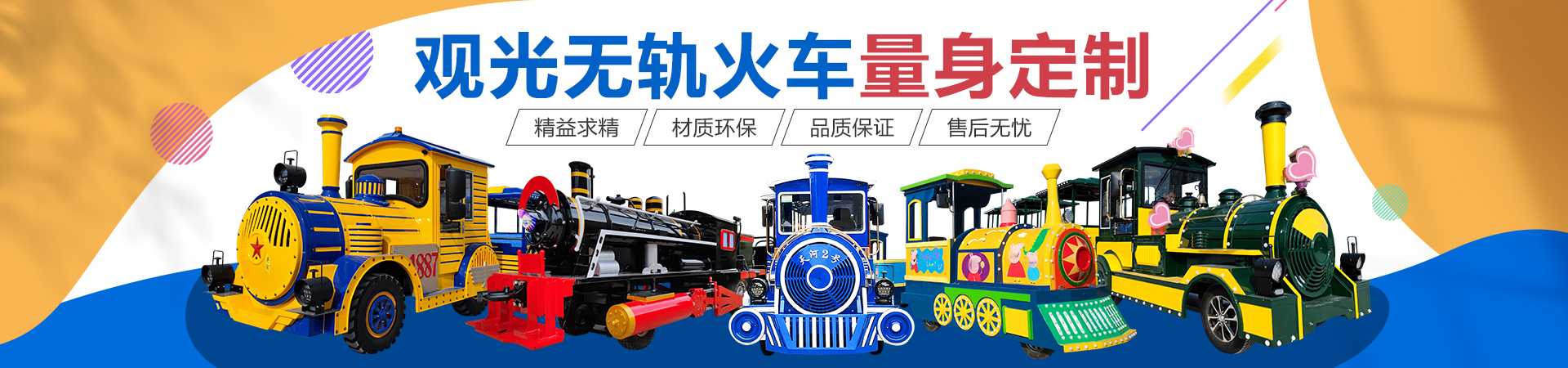
Sightseeing trains,with their unique charm and modern facilities,have attracted countless tourists.As an experience that combines sightseeing with transportation,train ticket pricing has become a focus of attention for tourists.So,how are sightseeing train fares determined?Let's discuss in detail the operating costs,tourist capacity,and other related factors involved.
- Multiple Considerations of Operating Costs
First and foremost,operating costs are a fundamental factor in sightseeing train ticket pricing.The most direct and significant impact comes from the following aspects:
a.Infrastructure Investment
Constructing the railway,platforms,and maintenance systems for sightseeing trains typically requires a significant initial investment.Railway planning and design must consider the terrain,landscape,and tourist flow characteristics to ensure the project's safety and aesthetics.Furthermore,construction requires significant manpower,material resources,and capital investment.
b.Vehicle Maintenance and Updates
As long-term operating equipment,trains require regular maintenance and updates to ensure safety and comfort. Vehicle maintenance,parts replacement,and technical upgrades are all unavoidable expenses,requiring operators to possess sufficient financial and technical support.
c.Labor Costs
From ticket sellers and service personnel to drivers and maintenance technicians,the smooth operation of a sightseeing train requires a highly qualified team. Salaries,benefits,training,and related human resource management costs for these staff members are important factors in determining ticket prices.
d. Energy Consumption
A sightseeing train's energy needs include electricity or fuel consumption,which may fluctuate with energy market prices.Therefore,operators must scientifically manage energy consumption and minimize costs.
- Visitor Capacity and Demand Forecasting
a. Visitor Capacity Limitations
A train's capacity determines the number of visitors it can accommodate within a given timeframe.When planning capacity,scenic spots and operators must comprehensively consider factors such as rail traffic volume,the capacity of stops,and the average visitor duration to avoid overcrowding or a poor visitor experience.
b. Visitor Flow Trends
Seasonal fluctuations and holidays often have a significant impact on visitor numbers.During peak tourist seasons,sightseeing trains offer greater monetization opportunities,and operators will develop different pricing strategies to maximize revenue.During off-seasons,discounted fares may be offered to attract tourists and maintain basic operations.
c. Competition and Market Positioning
The appeal of sightseeing trains depends on their market positioning and the selection of target customer groups.Pricing can be challenging in regions with intense market competition.Operators must thoroughly analyze competitors' pricing and service strategies and,based on this analysis,formulate reasonable fares based on their own unique selling points and differentiated services.
- External Factors Influencing Pricing
a. Policies and Permits
Government regulations governing the planning and operation of tourist attractions may also limit the scope for price adjustments.For example,to encourage local tourism,local governments may set a price cap or offer preferential policies for certain groups (such as students and the elderly).Sightseeing train operators must consider the impact of these policy factors.
b. Culture and Customs
In certain regions, sightseeing train fares are also influenced by local cultural customs and socioeconomic status.For example,during traditional festivals or specific cultural events,fares may be adjusted to reflect the festive atmosphere.
- Exploring Innovative Pricing Strategies
To enhance their competitiveness in a volatile market,many operators are exploring creative pricing strategies,striving to improve economic efficiency while providing high-quality services.
a.Dynamic Pricing Mechanism
A dynamic pricing mechanism is a strategy that responds promptly to real-time market demand.Through data analysis and the application of intelligent technology,operators can predict and adjust fares to meet demand fluctuations,effectively increasing efficiency and revenue.
b.Bundling Packages and Membership Programs
Bundling sightseeing train fares with other attractions or services,such as scenic spot tickets and dining discounts,provides a one-stop service and effectively enhances the user experience.Operators can also implement membership programs to increase user stickiness and market share through points accumulation and long-term discounts.
c.Personalized Experience
With the continuous upgrading of the tourism industry,tourists' demand for personalized and in-depth experiences is growing.Operators can design unique themed routes,carriage decorations,and add guided tours.These personalized elements not only stimulate tourist interest but also allow for reasonable price premiums.
- Environmental Protection and Sustainable Development Factors
Amid the global push for low-carbon environmental protection,the concepts of green environmental protection and sustainable development are profoundly impacting the operation and ticket prices of sightseeing trains.By adopting clean energy,reducing emissions,and optimizing energy efficiency,sightseeing trains can minimize their environmental impact.While the initial investment may be high,in the long run,this will not only enhance their public image but also attract more environmentally conscious tourists.

In summary, pricing for sightseeing train tickets is a complex system that requires comprehensive consideration of multiple factors,including operating costs,market demand,the policy environment,innovation strategies,and sustainable development.Only by fully understanding and flexibly applying these factors can sightseeing train pricing strategies be more rational,while providing high-quality and affordable tourist experiences and maintaining a competitive advantage in the modern tourism market.Both scenic area managers and tourists can benefit from this,jointly promoting the healthy development of the tourism industry.